Informal Cities Working Group, LLACS
LLACS
Working group · Concordia University
A research cluster of LLACS

Informal Cities

Reading the city from below, where the informal and the formal are inextricably entwined.

Drag to explore · scroll to read
The working group · Definition

The informal has long been defined as the opposite of the formal and acceptable, activities outside the official rules of government, administration, politics, and markets.

Such activities are taken to fall outside dominant cultural practices, and to require reform through state action, to include their practitioners in, and eliminate their activities from, the modern city.

Yet recent critiques argue for understanding the informal as a legitimate form of practice, inextricably entwined with the formal. Even so, policy makers and administrators continue to ignore or eradicate the informal practices and knowledge of low-income communities.

“The informal is not the absence of order, it is a different order, woven through the formal city rather than apart from it.”

The formal

Official rules, regulations, and recognized institutions, the planned grid of government, administration, and markets.

The informal

Self-organized settlements, trade, labour, and knowledge, legitimate practice entwined with, not outside, the formal.

What we study

Eight entry points into urban informality

Working group members study the structures and interactions of the informal across disciplines, integrating these bases of knowledge into a holistic discussion of the informal city.

The group's aim

To bring governance, markets, labour, settlements, infrastructure, health, disaster response, and culture into one holistic discussion of urban informality.

Join the conversation

Meet the Team

  • Woman with wavy blonde hair smiling in front of a scientific poster display.

    Tina Hilgers, PhD

  • A man with dark hair, a beard, and a mustache smiling in an outdoor parking garage.

    João Roque da Silva Júnior

  • A man with glasses and a backpack standing outdoors with a cityscape, mountains, and a beach in the background.

    James Freeman

  • A man with glasses and messy hair smiling, seen through a glass window with a city street in the background.

    Kevin Gould

  • Black and white photo of a man with a beard and short hair, wearing a long-sleeved button-up shirt, standing with arms crossed, looking to the side.

    Kregg Hetherington

  • Generic purple outline of a person, representing a user or avatar icon.

    Omar Adrián Nuño Íñiguez

  • A woman with short dark hair, green glasses, and earrings smiling outdoors with trees and yellow leaves in the background.

    Nora Jaffary

  • A man with gray hair and a beard taking a selfie indoors, wearing a dark blazer and light blue shirt, smiling at the camera.

    Greg Labrosse

  • Generic purple person icon representing a user profile.

    Luis Londoño

  • Portrait of a man with glasses and a beard, standing outdoors with trees and a building reflected in glass behind him.

    Jean François Mayer

  • A purple placeholder silhouette of a person against a black background.

    Camila Patiño Sanchez

  • A young woman with shoulder-length light brown hair, wearing a beige jacket over a matching top, black pants, and a necklace, standing and smiling against a bright yellow background.

    Luisa Seidl

  • Young woman with curly hair smiling on city sidewalk in sunlight, wearing black jacket and blouse.

    Cássia Reis Donato

  • Silhouette of a person in purple against a black background.

    Elias Ricardo de Oliveira

  • Generic purple gender-neutral avatar silhouette.

    Larissa Pimenta Coldibeli

  • A purple silhouette of a person with a blank background.

    Nicholas Von Rosk

  • Close-up of a young woman with long dark hair, fair skin, and a small nose piercing, looking at the camera with a neutral expression.

    Sofia Lazcano-Fafard

  • Smiling woman with shoulder-length dark hair wearing a red T-shirt, standing in front of a colorful graffiti wall.

    Estefania Perez

  • Simple purple icon of a person, representing a user or profile.

    Beatriz da Silva Takahashi

  • A purple icon of a person silhouette on a black background.

    Justine Le Gallic

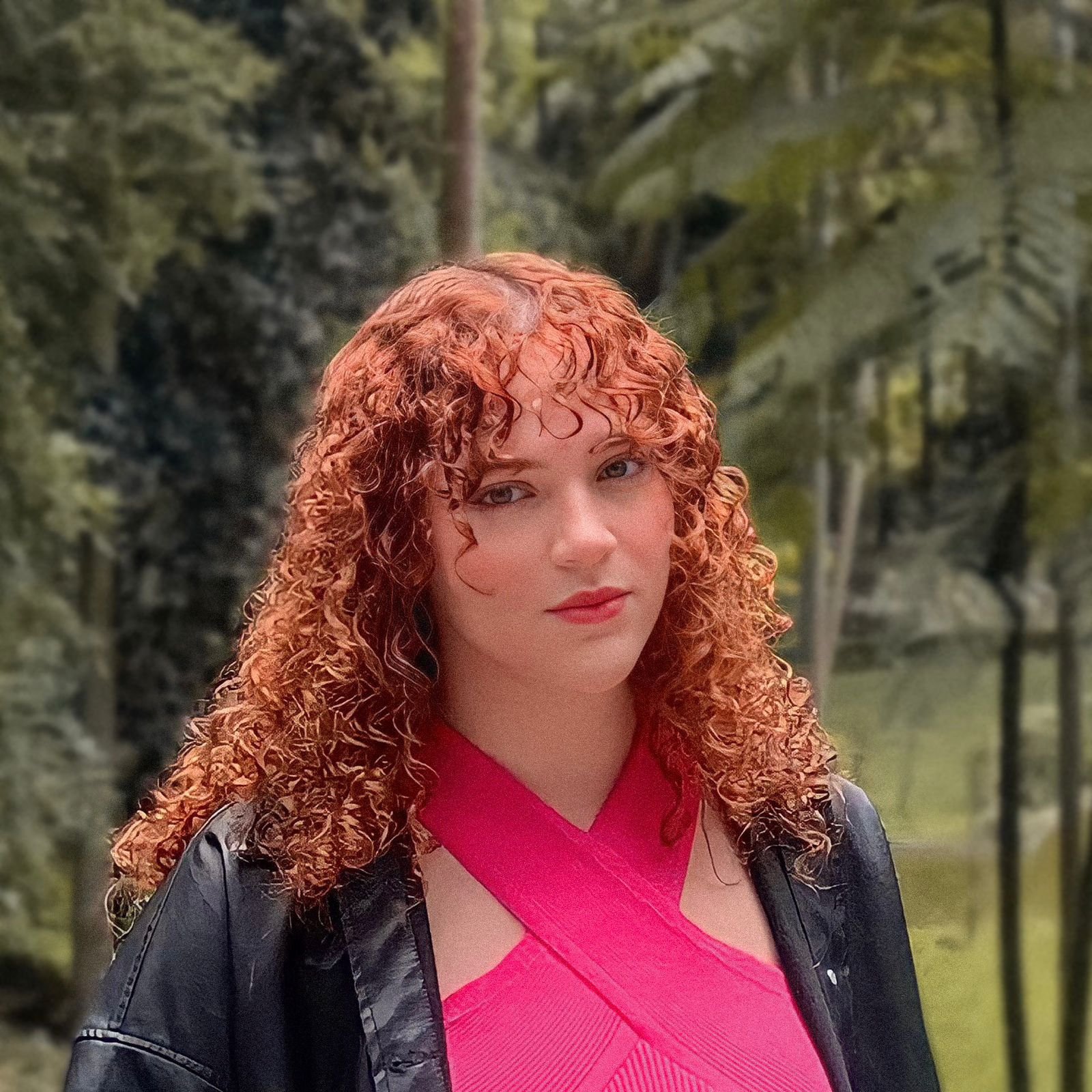
  • A young woman with curly red hair, wearing a pink top and black jacket, standing outdoors in a wooded area.

    Millena Navega

  • A young man smiling outdoors in winter, wearing glasses, a black winter coat with a fur-lined hood, and a dark scarf, standing in a snowy landscape with trees in the background.

    Edson Edrey de Menezes Sousa

Former members

  • Kathy Meilleur - AISK

  • Audrey-Anne Doyle - Program Officer at Canadian Heritage

  • Annele Bernal - Mexican Government

  • Gustavo Henrique Andrade - MA

  • Natanael J. Vargas - MA

  • Carlos Zapata - University of Ottawa

  • Cecilia Eraso - BA

  • Laura Sofía Rivera Sánchez - University of Toronto

  • Henrique Araújo Araugusuku - University of São Paulo

  • Maria Fernanda Aguilar Lara - University of São Paulo

Key Questions, Informal Cities Working Group · LLACS

Six key questions

The questions that orient our work, from what the informal is, to how it shapes governance, infrastructure, markets, and violence, to whether it is a tool of resistance or something to be resisted.